
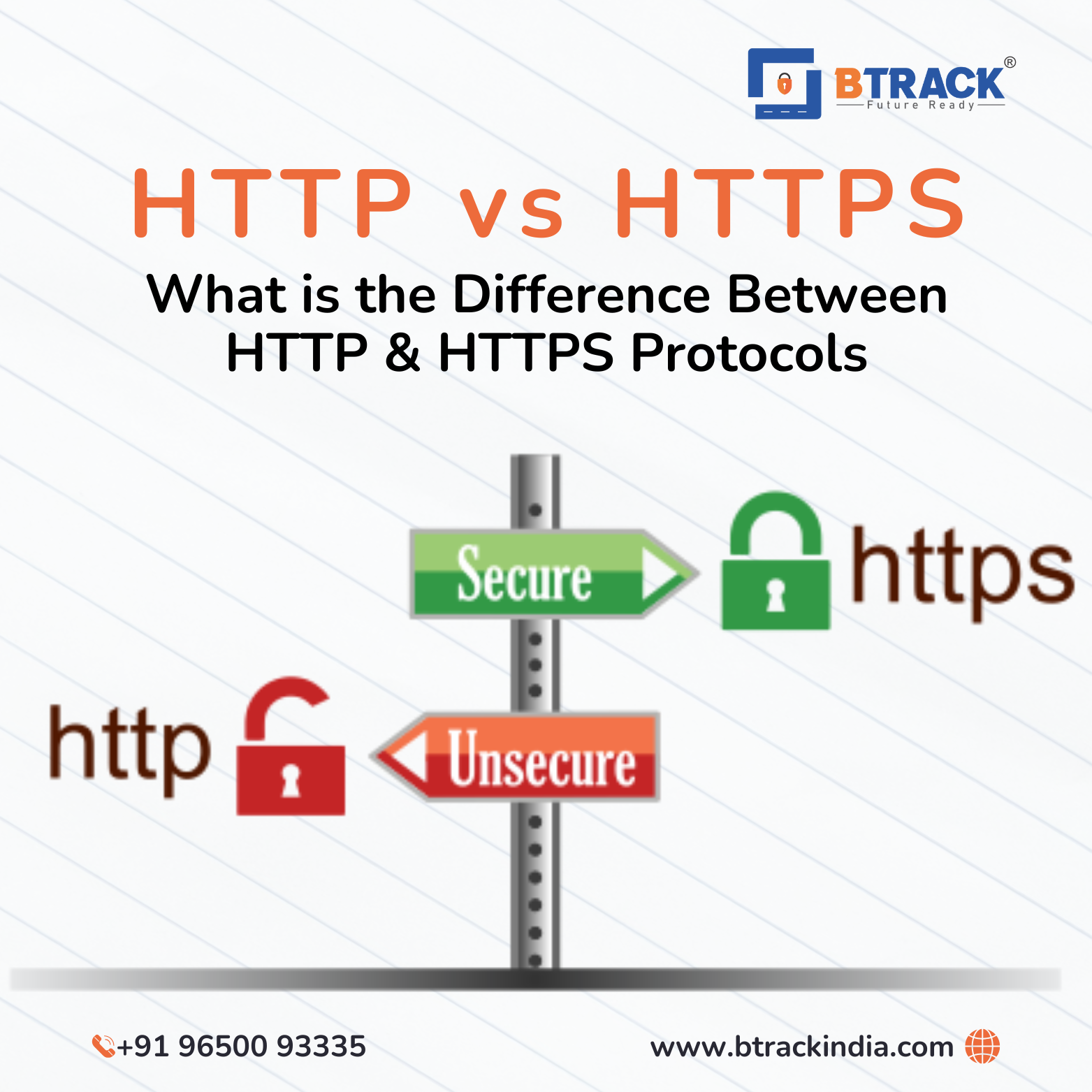
HTTP vs HTTPS: What is the Difference Between HTTP & HTTPS Protocols?
HTTP vs HTTPS: What is the Difference Between HTTP & HTTPS Protocols?
In an age where data breaches and online security threats seem to make daily headlines, understanding how our internet connections work can be empowering. One of the most visible indicators of a secure browsing experience is the presence of "HTTPS" at the beginning of a website's URL. But what is HTTPS, and how is it different from HTTP? More importantly, how does it relate to Btrack India Private Limited's commitment to providing secure, reliable hosting solutions?
This guide dives into the nuts and bolts of HTTP and HTTPS, helping you make informed decisions about data security and why HTTPS is a non-negotiable asset for any website today.
What is HTTP?
HTTP stands for Hypertext Transfer Protocol, a communication protocol foundational to the internet. Think of it as a set of rules that allow web browsers and servers to communicate with each other, enabling users to view websites and share data across the web.
Imagine browsing the internet as sending and receiving digital "letters" between your computer and a website's server. HTTP essentially dictates how these letters are formatted and delivered. However, much like sending an unsealed letter, data sent over HTTP is not secure and can be intercepted or tampered with by malicious parties.
Key Characteristics of HTTP:
- Stateless Protocol: Each HTTP request is independent of the next. While this makes the process efficient, it lacks context or memory of past interactions, making it inherently less secure.
- Data Vulnerability: HTTP transmits data in plain text, which leaves it exposed to third parties. If someone intercepts this communication, they can see and manipulate the data without restrictions.
For these reasons, HTTP is falling out of favor, as it does not meet the security demands of the modern internet.
The Problem with HTTP: Why Security Matters
In today's digital landscape, HTTP's main drawback"lack of encryption"poses serious security concerns. Since data is transferred in an open, readable format, anyone with the technical know-how can intercept and read information transmitted over HTTP. This vulnerability leaves users open to several types of cyberattacks:
- Data Theft: Sensitive information like passwords, credit card numbers, and personal data can be stolen.
- Man-in-the-Middle (MITM) Attacks: Hackers can intercept the communication between the user and server, gaining access to the data or altering it.
- Content Injection: Malicious parties can inject harmful scripts or ads into a website, compromising the user experience.
In essence, HTTP lacks the safety measures required to shield sensitive information from prying eyes. This is especially problematic for businesses like Btrack India Private Limited, which prioritize customer trust and data security.
What is HTTPS?
HTTPS, or Hypertext Transfer Protocol Secure, is an enhanced version of HTTP that includes encryption through SSL (Secure Sockets Layer) or its successor, TLS (Transport Layer Security). This protocol enables secure communication over the internet by encrypting data so that only the intended recipient can read it.
When you visit an HTTPS website, your connection to the server is encrypted, making it virtually impossible for unauthorized parties to intercept or manipulate the data.
Key Benefits of HTTPS:
- Data Encryption: HTTPS ensures that data transmitted between the server and browser is encrypted, preventing data theft.
- Authentication: HTTPS verifies that you"re connected to the genuine website, which protects users from phishing attacks and malicious sites.
- Data Integrity: HTTPS protects data from being modified without detection, safeguarding the user's experience and privacy.
For businesses like Btrack India Private Limited, which offer a range of hosting and data protection services, adopting HTTPS is a crucial step in creating a safe online environment for their customers.
How SSL Works to Secure HTTPS
SSL (Secure Sockets Layer) is the backbone of HTTPS. It uses a combination of cryptographic keys to establish a secure connection between the web browser and the server. Here's how it works in a simplified format:
- Authentication with SSL Certificate: SSL certificates are digital credentials that verify a website's authenticity. These certificates are issued by trusted Certificate Authorities (CAs) and provide proof that a website is who it claims to be.
- Data Encryption: SSL encrypts data, so even if intercepted, the information is unreadable without the decryption key.
- Session Keys: SSL generates unique session keys for each interaction, adding an extra layer of security by ensuring that each user's communication is encrypted individually.
With these safeguards, SSL empowers businesses like Btrack India Private Limited to offer secure, trustworthy hosting services to clients, reinforcing customer loyalty and trust.
Visual Indicators for HTTPS in Modern Browsers
Most browsers, like Chrome and Firefox, help users identify HTTPS-secured websites with visual cues. These indicators reassure users that the website they"re visiting prioritizes security:
- Padlock Icon: A small padlock appears next to the URL, signaling that the site is secure.
- "Secure" Label: Some browsers label HTTPS websites as "Secure," further reinforcing user confidence.
- Green Address Bar: Extended Validation (EV) SSL certificates display a green bar with the organization's name, confirming a website's legitimacy.
For businesses, having these visual cues in place can significantly boost user confidence and trust, encouraging visitors to stay longer and engage more fully with the website.
Why HTTP is Dying: The Shift to a More Secure Internet
Major search engines and web browsers are now actively pushing for HTTPS. Here's why HTTP is being phased out:
- SEO Benefits: HTTPS is a confirmed ranking factor for Google, meaning secure websites receive a ranking boost, driving more organic traffic.
- Security Warnings: HTTP sites are now labeled as "Not Secure" in browsers, deterring users and impacting business credibility.
- Enhanced Browser Features: New features like geolocation and notifications are exclusive to HTTPS websites, meaning HTTP sites miss out on advanced functionalities.
Key Benefits of Using HTTPS Over HTTP
Implementing HTTPS offers several compelling benefits for businesses like Btrack India Private Limited:
- Improved Data Security: HTTPS provides end-to-end encryption, securing data from prying eyes.
- Better SEO Ranking: HTTPS-enabled websites receive a ranking boost from Google, making them more visible to potential customers.
- Increased Customer Trust: HTTPS reassures users that their data is safe, enhancing your brand's credibility.
- Regulatory Compliance: HTTPS helps businesses meet data protection requirements under regulations like GDPR.
How to Implement HTTPS with SSL for Your Website
For a smooth transition to HTTPS, follow these steps:
- Choose the Right SSL Certificate: There are different types of SSL certificates, such as Domain Validation (DV), Organization Validation (OV), and Extended Validation (EV). Choose the one that suits your needs.
- Install SSL on the Server: Buy an SSL certificate from a trusted provider and install it on your web server. Some hosting providers, including Btrack India Private Limited, offer SSL installation as part of their hosting packages.
- Set Up 301 Redirects: Redirect all HTTP URLs to their HTTPS counterparts to avoid broken links and preserve SEO rankings.
- Update Internal Links: Change all internal links from HTTP to HTTPS to ensure a seamless, secure experience for users.
Conclusion: Why HTTPS Matters More Than Ever
The transition from HTTP to HTTPS isn"t just a technological upgrade; it's a commitment to a safer, more secure internet. For businesses like Btrack India Private Limited, HTTPS is more than a protocol"it's a promise to customers that their data is protected and their trust is valued.
By adopting HTTPS, you—re not only securing your website but also improving your search rankings, building user trust, and staying ahead of industry regulations. As the digital landscape continues to evolve, HTTPS is the standard every responsible business should meet to thrive and earn customer loyalty in today's online marketplace.