
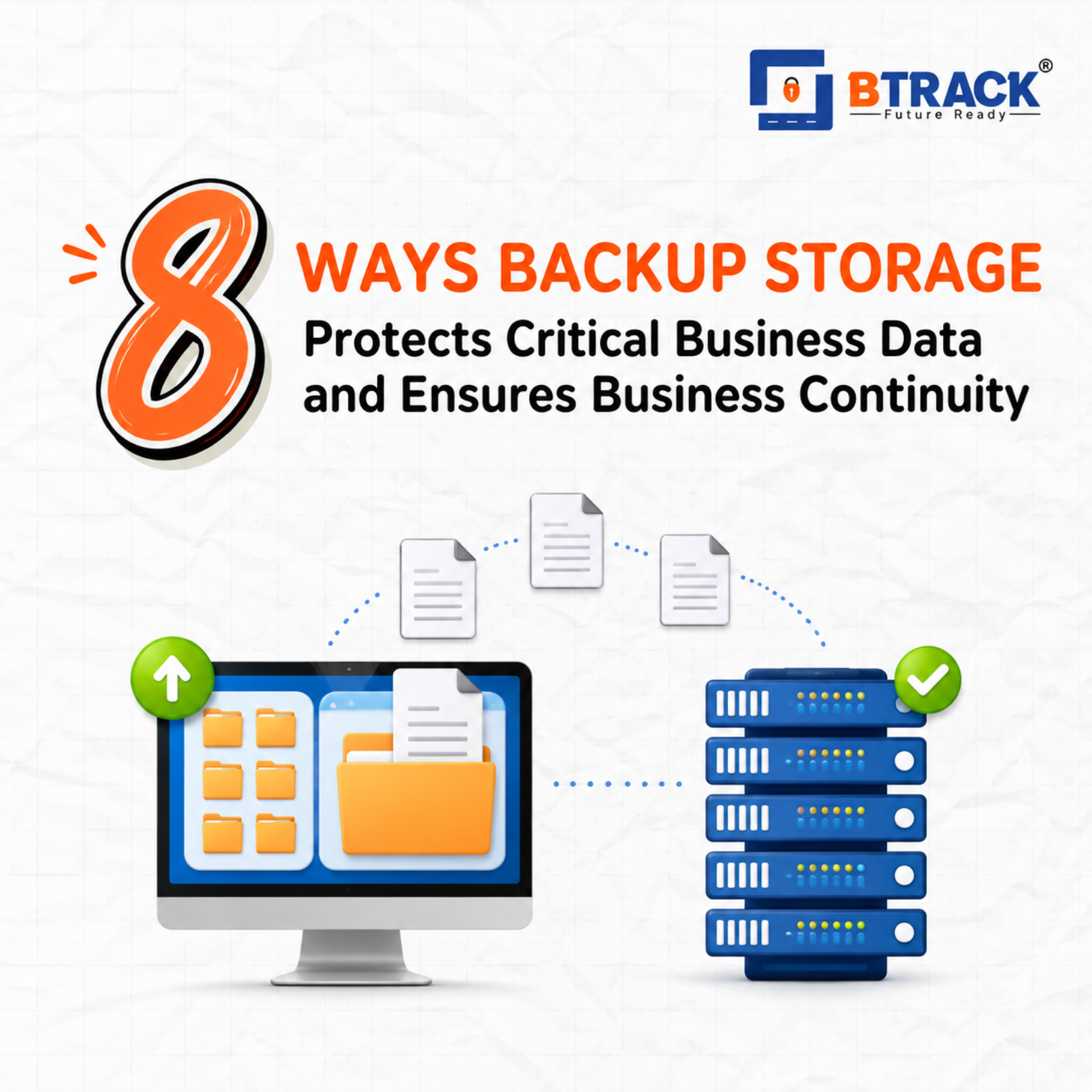
8 Ways Backup Storage Helps Protect Critical Business Data
In today's digital-first business environment, data is one of the most valuable assets an organization possesses. From customer information and financial records to operational documents and business applications, businesses rely heavily on data to maintain productivity, support decision-making, and drive growth.
However, data loss can occur due to accidental deletion, hardware failures, cyberattacks, software corruption, natural disasters, or unexpected system outages. This is where Backup Storage becomes essential. A reliable backup storage solution helps organizations safeguard critical business data, improve disaster recovery readiness, and maintain business continuity.
Whether operating in healthcare, finance, manufacturing, retail, education, or professional services, organizations can significantly strengthen their data protection strategy with Backup Storage.
1. Prevents Permanent Data Loss
One of the most important benefits of Backup Storage is its ability to prevent permanent data loss. Businesses frequently face risks from accidental deletion, hardware malfunctions, software errors, and system failures.
By maintaining secure backup copies of important files and databases, organizations can quickly recover lost information and reduce the impact of unexpected data loss incidents.
2. Ensures Business Continuity
Business continuity depends on uninterrupted access to critical data. When important files become unavailable, daily operations can slow down or stop entirely.
Backup Storage helps organizations maintain access to essential information, enabling faster recovery and minimizing operational disruptions during emergencies or system failures.
3. Protects Against Hardware Failures
Servers, hard drives, storage arrays, and other IT infrastructure components can fail unexpectedly. Hardware failures often result in inaccessible or corrupted data.
Implementing Backup Storage ensures that critical business information remains protected and recoverable, even when primary storage devices experience technical issues.
4. Supports Recovery from Human Error
Human error remains one of the leading causes of data loss. Employees may accidentally delete files, overwrite important documents, or modify records incorrectly.
With Backup Storage, businesses can restore previous versions of files and recover accidentally deleted data, reducing the impact of mistakes and maintaining operational efficiency.
5. Strengthens Overall Data Protection
A comprehensive data protection strategy includes multiple layers of security such as firewalls, endpoint protection, access controls, and cybersecurity monitoring.
Backup Storage serves as an additional layer of protection by ensuring that critical business data remains available for recovery, even if other safeguards fail.
6. Improves Disaster Recovery Capabilities
Organizations need reliable recovery solutions to restore operations quickly after disruptions. Backup Storage plays a critical role in disaster recovery planning by providing secure copies of essential business information.
Faster data recovery helps minimize downtime, reduce operational losses, and maintain productivity during unexpected events.
7. Helps Manage Growing Data Volumes
Modern businesses generate massive amounts of digital data every day, including customer records, financial information, communications, and project files.
Backup Storage enables organizations to efficiently manage, secure, and retain growing data volumes while ensuring easy access to important information when required.
8. Supports Long-Term Data Retention and Compliance
Many industries require organizations to retain records and business documents for extended periods to meet regulatory and compliance requirements.
Backup Storage helps businesses preserve critical data for long-term access, audits, reporting, customer support, and strategic decision-making while supporting compliance initiatives.
Conclusion
As businesses continue to embrace digital transformation, protecting critical business data has become more important than ever. Backup Storage provides a reliable foundation for preventing data loss, supporting disaster recovery, ensuring business continuity, and maintaining long-term data availability.
From protecting against hardware failures and human errors to improving recovery capabilities and managing growing data volumes, Backup Storage remains an essential component of modern IT infrastructure.
Investing in a robust Backup Storage solution not only safeguards valuable information but also helps organizations remain resilient, productive, and prepared for future challenges.